
Systems
Proto Bench
Proto Bench is built for prototype work that changes often, where one setup this morning may be replaced by another after lunch. It fits workshops, studios, schools, and R&D corners that need desktop CNC capability without giving over a full production area.
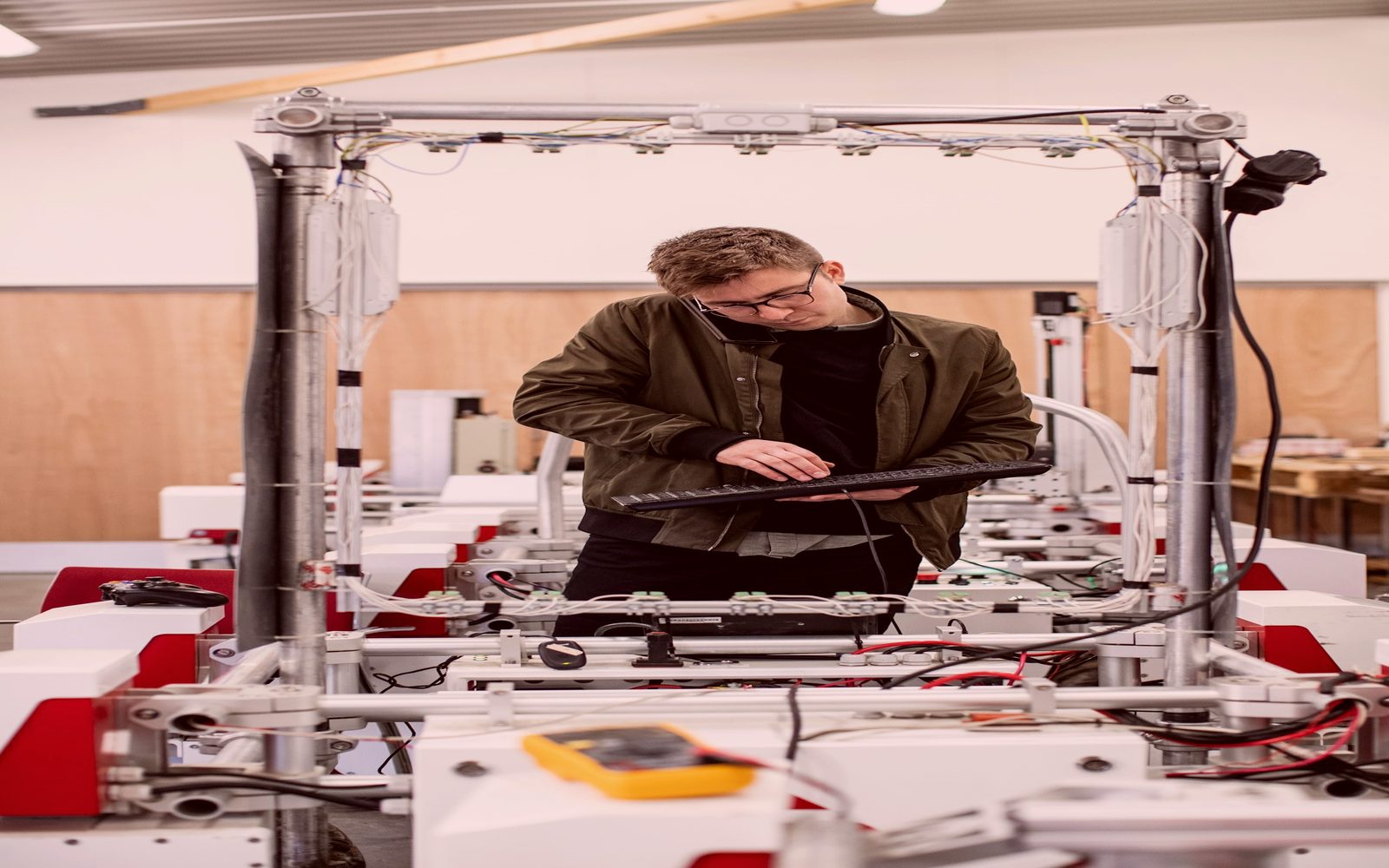
Prototype changes on a small bench
Proto Bench is aimed at early part development where setup changes are frequent and bench space matters. It suits makers who need a desktop CNC arrangement that keeps prototype work straightforward and repeatable.
Early parts often move from foam or MDF into plastics and then a first aluminium test piece. On a compact bench, those material changes affect chip control, hold-down choices, cutter reach, and how much room remains for measuring and deburring. In South African workshops, available power, dust extraction, and the distance between drawing desk and machine all matter more than theory.
Keep a record of the first proven setup before the next revision starts. A quick note with work offset, stock thickness, cutter used, and clamping position helps when a sample part must be repeated after the bench has been cleared for another task.
Bench details worth recording
For Proto Bench, the useful notes are usually the simple ones: what material was cut, how the stock was supported, and which datum made sense for repeat work. That information is more valuable during prototype revision than a long stack of generic machine wording.
Before sending details, note the bench size, the materials you expect to cut most, and whether extraction is in place. Add any limits around plug points, noise, or shared workspace use. If there is an existing vise, spoilboard, or small machine on the bench, include that as well in the enquiry.
Checklist
- Desktop CNC planned around limited bench depth
- Setup notes kept for repeat prototype cuts
- Material and bench details sent by email
Workshop realities around South Africa
A Cape Town garage workspace and a Johannesburg product lab rarely share the same dust levels, humidity, or storage habits. Proto Bench work benefits from knowing whether the machine will sit near assembly tools, electronics benches, or a fabrication corner where swarf and offcuts build up quickly.
Near the coast, corrosion prevention and covered storage deserve attention when aluminium fixtures and tooling stay on the bench for long periods. Inland workshops often deal with fine dust that settles on rails, stock, and measuring gear. Power cuts also affect when a long toolpath can be run without interruption.
Operated by Astros Marketing (Pty) Ltd from 2 Makro Place, Sunnyrock 1401.
What to note for Proto Bench
Share the part size, the thickest stock you expect to machine, and whether the job is mostly routing, light milling, engraving, or drilling. Mention if setup changes happen several times a day, because that is where bench layout and access become important.
Keep the machine note with the drawing revision, tool list, and material sheet for each prototype cycle. When a buyer, lecturer, technician, or client asks how the sample was made, those records make the next run easier to set up.
What our Benchtop CNC customers say
Verified Google reviews