
Labs
Warehouse Loop
A practical CNC routine for stock rooms and dispatch spaces, designed for South African teams balancing making and packing.
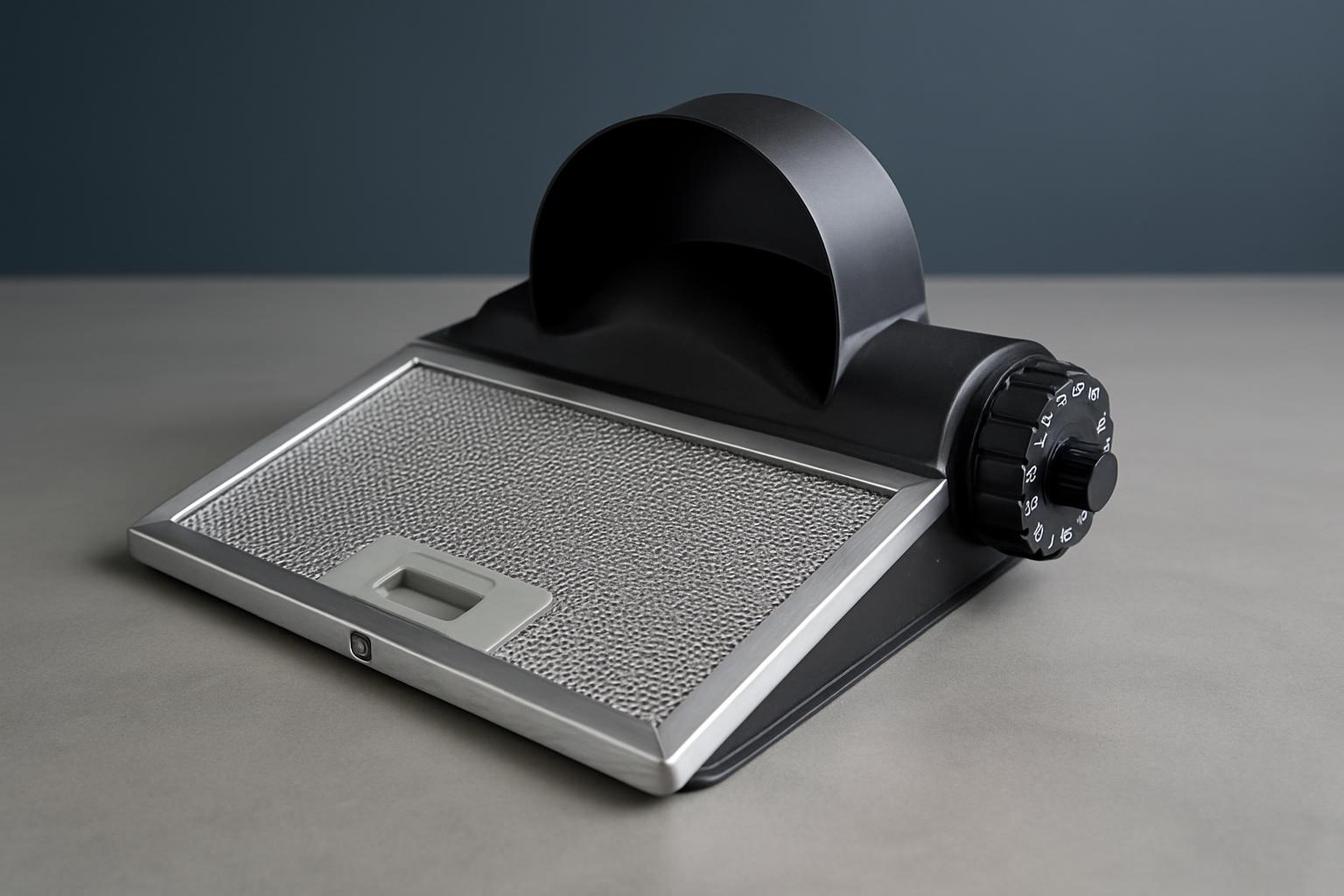
CNC beside packing benches
Warehouse Loop looks at CNC work that sits close to stock holding, picking and dispatch. It is useful where making, packing and replenishment happen side by side and the machine needs to fit that rhythm.
Warehouse Loop focuses on jobs cut a few metres from shelving, tape guns and dispatch labels. Typical work includes bin dividers, stock tags, drawer inserts and repeat parts in MDF, acrylic or thin aluminium. In South African stores and back rooms, the machine has to share space with picking, packing and replenishment without confusing the day’s flow.
A start-up record matters more here than in a stand-alone workshop. Take one photo of sheet position, one of the cutter fitted, and one of the first finished part before the packing rush begins. When a run pauses for stock counting or power cuts, those checks help the next operator restart the same layout instead of guessing.
Outputs for stockroom cutting
A routine should be clear enough to hand to the person doing picking, replenishment or goods-out on the same shift. Notes should name the board, cutter diameter, hold-down method and label position for each batch. Short, specific instructions are easier to use near shelves and cartons than broad machining theory.
Use Warehouse Loop when the cutter is supporting stock control rather than long bench builds. Pair it with the relevant labs note or an insights piece only after the dispatch sequence makes sense on paper. Before sending details, note the machine area, the rack or packing bench nearby, and the type of parts being cut.
- Cut plans for bins and inserts
- Restart checks before picking resumes
- Shared notes for dispatch staff
Checks for local warehouse conditions
Back-room CNC work in South Africa often sits between receiving stock and sealing cartons for courier collection. That means board offcuts, printed labels, cleaning rags and packing materials can drift into the machine zone unless the layout is marked clearly. If the site uses existing trolleys, racks or part numbers, fold those into the cutting routine from the start.
Coastal sites need closer attention to bare metal tools, collets and stored sheet. Inland dust builds up quickly around rails, cable runs and packing surfaces, especially where cardboard is handled all day. For longer batches, plan run order around power interruptions so urgent replenishment parts are cut first.
Operated by Astros Marketing (Pty) Ltd from 2 Makro Place, Sunnyrock 1401.
Information to send with the job
Include shelf size, part quantity, material thickness and where the finished pieces are used in the stock room. A quick phone photo of the bench, rack or dispatch table usually explains spacing better than a long description. Mention any failed tabs, chipped edges or labelling problems from previous runs.
Keep the machine note with the pick sheet or replenishment record for that item code. That makes it easier when a buyer, school storekeeper or warehouse supervisor asks how the part was made and which material was used. Warehouse Loop works best when the cut file and the stock record point to the same batch.
What our Benchtop CNC customers say
Verified Google reviews