
Labs
Starter Floor
A grounded route into your first desktop CNC, written for South African makers who already work to a plan.
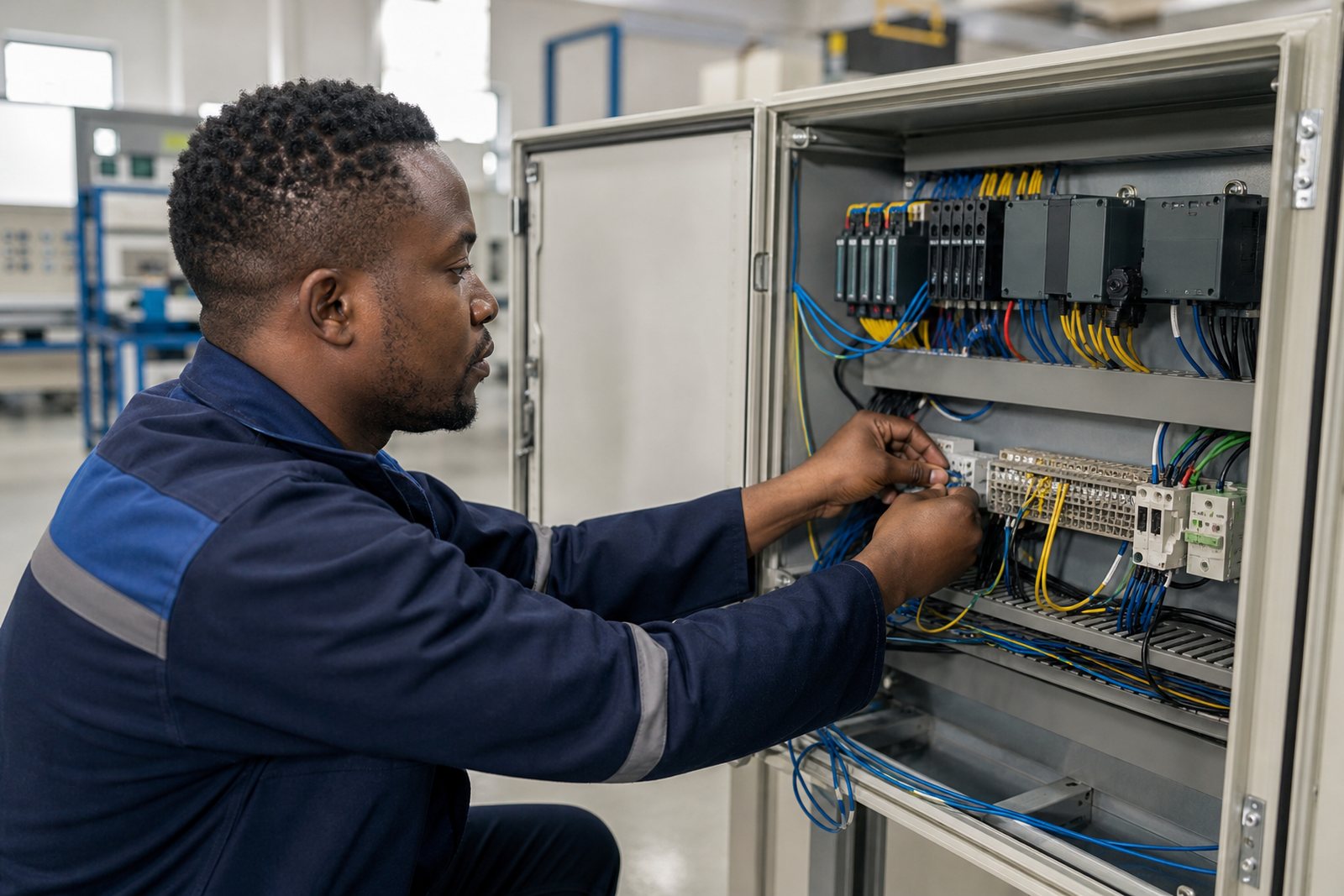
Bench space before first cuts
Starter Floor is for buyers setting up a first desktop CNC space with a proper plan. It covers the practical basics around bench space, power, material handling and the kind of work you want the machine to carry first.
Bench depth matters before spindle power does. Allow room for the machine footprint, a dust extractor hose, clamping access on both sides, and a safe place for full sheets or cut blanks. In Gauteng garages and Cape workshops alike, extension leads, plug points, and power-cut backup often decide where the first desktop CNC can actually live.
Take photos of the machine area while it is still empty and again after the first placement. Those images help with cable routing, clamp access, extraction hose length and where sheet goods will rest during loading. A simple record also makes it easier to spot what changed if a later job starts rubbing, vibrating or throwing chips where it should not.
Bench plan and first cuts
A first workable CNC arrangement needs the machine, the bench and the first material choices considered together. The useful output is a starting setup you can name clearly on a job sheet, including likely stock sizes, hold-down method and the jobs that should go on the machine first. That keeps signage panels, template work, model parts or light aluminium pieces in scope without pretending one setup suits every bench.
Before the brief grows, compare this route with the nearest Labs note and the machine details under the solution hub. Check pack access, spindle clearance, consumables and how sheets will move from storage to bench without twisting through a narrow passage. For a desktop CNC comparison, tell us what you cut most often and how much bench space the machine will have.
- Bench depth checked against machine travel
- Power, extraction and stock path mapped
- Photo notes attached to the setup brief
Workshop conditions that matter here
A desktop CNC in South Africa is shaped by the room around it as much as the machine itself. Fine MDF dust needs a plan for extraction and cleanup, plastics need chip control, and light aluminium work needs a steady surface that does not rack when the cutter enters the edge. If the bench shares space with assembly, welding or hand tools, mark out what must stay clear during a run.
Near the coast, bare metal parts need better storage and more frequent wipe-downs to keep surface rust at bay. Highveld dust loads up rails, spoilboards and extraction far quicker, so cleaning intervals matter from the first week. During power cuts, long jobs need sensible start times and a tested restart routine. A machine demonstration should cut the board, plastic or aluminium you plan to use, not drift into general sales chat.
Operated by Astros Marketing (Pty) Ltd from 2 Makro Place, Sunnyrock 1401.
Notes to gather before buying
Write down the bench size, the stock you can buy nearby and the largest part you expect to cut in the first months. Add the cutter types you think you will use, whether vacuum hold-down is realistic, and where noise will be a problem. That short list says more than a vague request for a starter machine.
Keep the page with your job record, material notes and any photos from the install area. When a school buyer, workshop owner or client asks what the machine needs around it, those notes cover power, space, cleaning and handling without guessing from memory.
What our Benchtop CNC customers say
Verified Google reviews