
Insights
Substrate Check
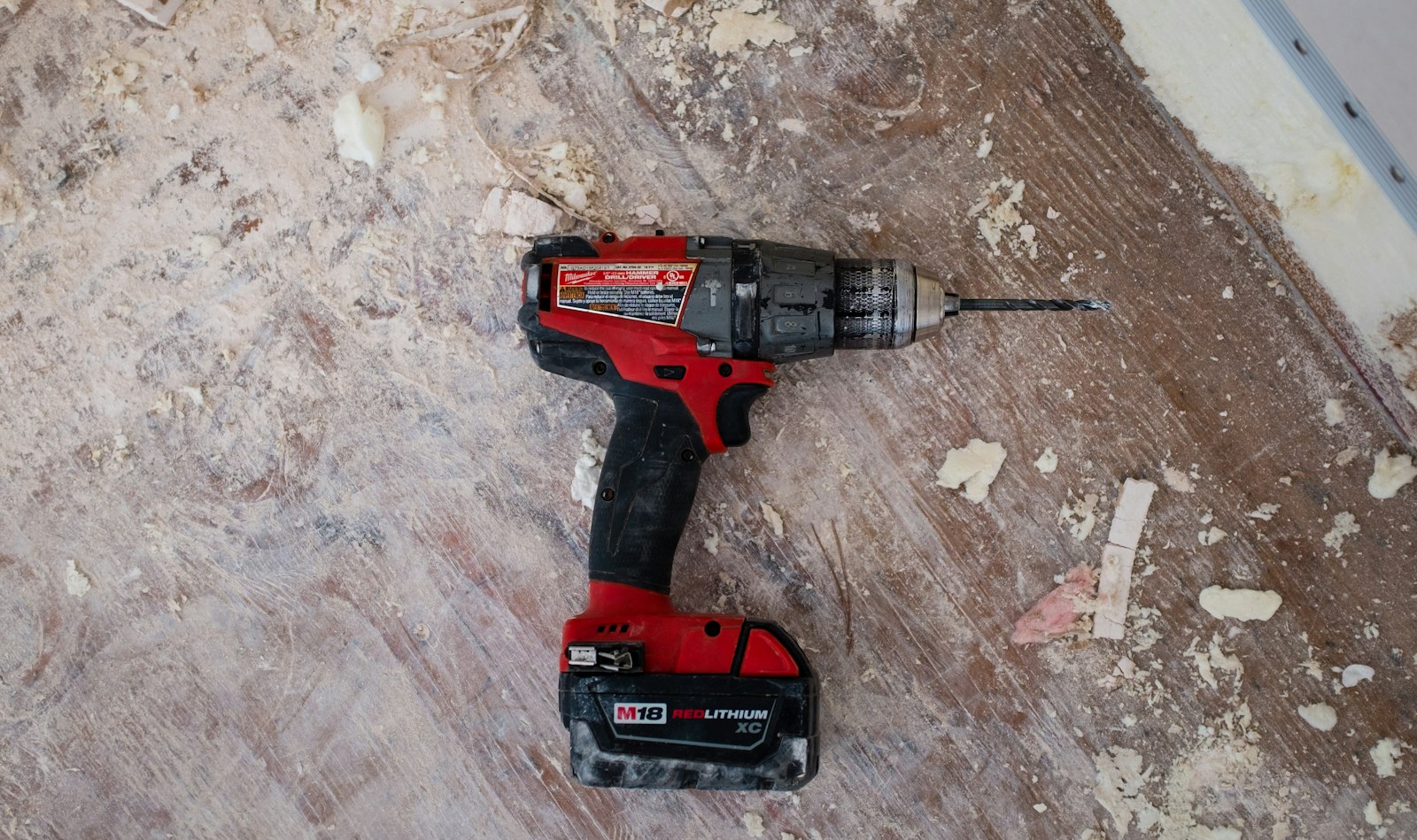
A quick check on stock flatness and material type before a cutter touches MDF, acrylic or aluminium.
Material checks come before feeds and speeds. In South African desktop CNC work, warped ply, inconsistent MDF, laminated board, and recycled plastics can all behave differently from what the label suggests. Substrate Check covers the material inspection that helps avoid broken cutters and poor finish.
Before cutting, check the sheet itself, not only the label on the rack. On South African maker benches, MDF can vary in density, acrylic often arrives with protective film hiding stress marks, and aluminium offcuts may not be uniformly flat.
Flatness checks before clamping
- Corners lifted off spoilboard noted
- Photo showing bow, cup, or twist
- Material name and measured thickness recorded
- Zero point chosen for the actual sheet
Use this note alongside the relevant machine pages when a job starts behaving differently from the sample cut. Material condition changes hold-down strategy, surfacing depth, and how confidently you can set Z on a desktop CNC. That is often more useful than jumping straight to feeds and speeds.
Where checks save cutters
Substrate Check is the quick inspection before a cutter touches MDF, acrylic, or aluminium. Stock flatness, thickness, and material type all affect hold-down, zeroing, and the finish you can expect from the job.
Start at the bench with a straightedge, caliper, and one honest look at the stock. Warped plywood, soft-core board, cast versus extruded acrylic, and mystery aluminium plate all change chip load, evacuation, and finish. Shops in Johannesburg, Durban, Cape Town, and smaller towns see these differences every week because supply is not always consistent from one batch to the next.
Take the first photo before tape, clamps, or vacuum hold-down hide the problem. Mark thickness readings in a few places across the sheet and note whether the top face is fit for zeroing. That small record helps when the same board type cuts cleanly one month and tears, melts, or chatters the next.
Bench notes worth keeping
A useful substrate check leaves you with measured thickness, visible flatness issues, and a sensible starting plan for workholding. It also tells you whether the sheet should be surfaced, shimmed, masked, or rejected before any tool touches it. Clear material notes beat guesswork when the finish matters on signs, panels, jigs, or small production parts.
Pair Substrate Check with the related machine note before changing tooling or cut depth. Check sheet labels, protective film, and supplier markings while the stock is still off the machine so mixed materials do not end up in one job stack. For a desktop CNC comparison, tell us what you cut most often and how much bench space the machine will have.
- Measured stock, not assumed stock
- Flatness recorded before first clamp
- Systems machines, Labs tests, Insights material notes
- Material notes saved with the job
Material realities in local shops
Many substrate problems show up before spindle start if you look for them. MDF from different suppliers can machine with different edge quality, laminated board can hide uneven core density, and recycled plastic sheet may move once clamped. If the bench has an older spoilboard, previous surfacing marks and low spots should also be treated as part of the inspection.
Near the coast, acrylic sheets and aluminium stock need cleaner storage to limit salt and surface marking. On inland benches, MDF dust builds quickly around rails, spoilboards, and hold-down points, so the pre-cut inspection must include the machine area as well as the sheet. Power cuts also matter when planning longer jobs, especially if zeroing and hold-down checks need to be repeated after an interruption.
Operated by Astros Marketing (Pty) Ltd from 2 Makro Place, Sunnyrock 1401.
Questions to answer at the bench
A quick check on stock flatness and material type before a cutter touches MDF, acrylic or aluminium.
What is the material actually made from, how flat is it across the working area, and where will you set zero without building error into the job? Those three answers usually shape the first setup decision on desktop CNC work more than catalogue thickness or supplier description. Keep the note with the job record when a school, studio, or small workshop needs to repeat the cut later.